Elizabeth Street movers Belgravia packing and stairs tips: a practical guide for tighter homes, awkward stairways and calmer moving day
Moving on or around Elizabeth Street in Belgravia can feel deceptively simple on paper. In real life, though, it often means narrow access, elegant but unforgiving staircases, awkward landings, basement steps, careful parking, and furniture that suddenly looks much larger when you are carrying it downstairs. That is exactly why Elizabeth Street movers Belgravia packing and stairs tips matter so much. The right preparation can save time, reduce damage, and keep moving day from turning into a very expensive workout.
This guide walks through the practical side of packing for a stair-heavy move, how movers usually plan around access issues, what to do before the first box is lifted, and the small decisions that make a big difference. If you want a smoother home move, a safer carry, or a better idea of what to ask a removal company before booking, you are in the right place.
Why Elizabeth Street movers Belgravia packing and stairs tips Matters
Belgravia properties often combine period character with practical quirks. You might have a beautiful townhouse staircase with a tight turn, a small front entrance, a lower-ground flat with a steep run of steps, or a doorway that makes a sofa look like a piece of modern art you did not want to own in the first place. That is not a complaint; it is just the reality of moving in a prestigious central London setting.
Packing and stairs tips matter because the move is not just about getting items out of one place and into another. It is about managing friction: corners, weight, grip, box shape, timing, and the safety of everyone involved. If boxes are overloaded, the stairs become a hazard. If the furniture is not wrapped properly, the banister, walls, or doorframes can take a knock. If access is not planned, everything slows down.
In our experience, the best moves in this part of London are rarely the fastest on the day. They are the best prepared before the day. A little forethought goes a long way, and to be fair, that is usually the difference between a controlled move and a stressful one.
Expert summary: For Elizabeth Street and similar Belgravia addresses, the winning formula is simple: pack lighter than you think, protect stair edges and furniture carefully, confirm access early, and keep walking routes clear from the front door to the vehicle.
How Elizabeth Street movers Belgravia packing and stairs tips Works
The process usually starts long before moving day. A good mover will want to understand the property layout, the number of flights, whether there is a lift, how narrow the stairwell is, where the vehicle can stop, and whether any large items need dismantling. That information helps shape the packing plan and the moving plan at the same time.
Good packing for a stair move is about load balance. Boxes should be strong, sealed properly, and filled so they can be carried without twisting or collapsing. Heavier items should stay in smaller boxes. Lighter, bulkier items can go into larger boxes, but only if they remain manageable. It sounds obvious, but people still pack books into giant boxes and then wonder why the staircase feels like a punishment.
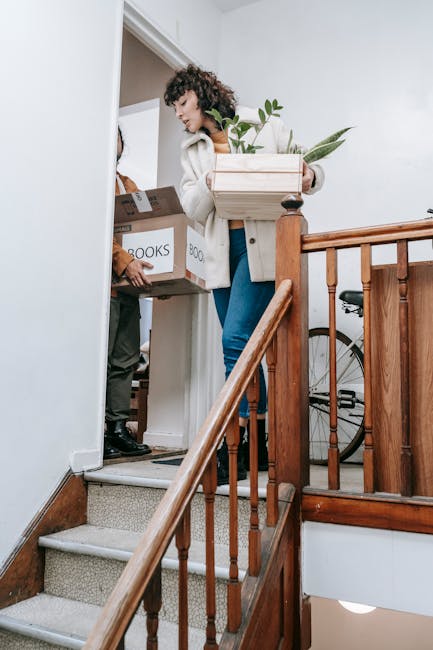
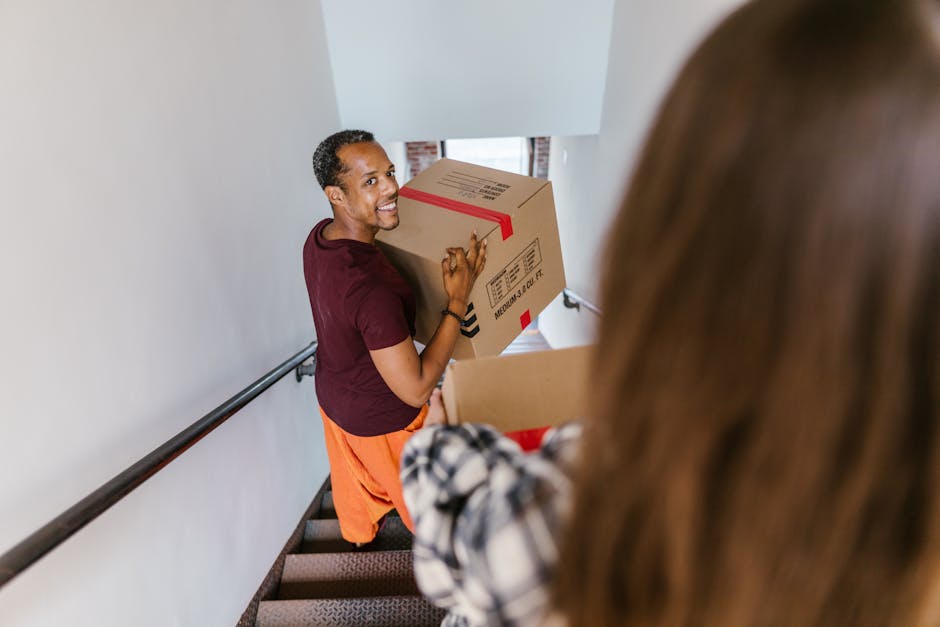
Stairs tips are about movement, not just strength. Movers usually work in a controlled rhythm: one person guides, one carries, and both communicate clearly when turning, descending, or shifting around a landing. On older staircases, that communication matters even more because the angle can change quickly and the margin for error is small.
The flow is typically:
- Survey access and identify difficult items.
- Pack by weight, room, and fragility.
- Protect furniture, stair edges, and doorways.
- Move the most awkward items first or last, depending on access.
- Keep the stair route clear until the final item leaves the property.
If you are using broader house-moving support, the same logic applies to house removals and even smaller jobs handled through a man with van service. The principle is always the same: reduce risk before lifting anything heavy.
Key Benefits and Practical Advantages
There are several real advantages to planning your packing and stairs approach properly. Some are obvious, some show up halfway through the move when your shoulders are already complaining.
- Less damage risk: Proper wrapping and box selection protect items and reduce scuffs on walls, bannisters, and doorframes.
- Safer lifting: Balanced boxes and clear stair routes reduce the chance of slips, strains, and dropped items.
- Faster loading: When boxes are labelled and staged by room, movers can keep a steady pace.
- Better use of space: A well-packed vehicle fits more safely and securely, especially when access is tight.
- Less stress: You do not spend the day rethinking every box or apologising every five minutes for the awkward antique mirror.
There is also a subtle benefit that people miss: good preparation keeps decision-making calm. When a staircase is narrow, it is very easy for everyone to become reactive. Good packing gives movers room to think, rather than just react. That matters.
If you are comparing service levels, it may help to look at packing and unpacking services alongside broader removal services. Sometimes the right solution is not more boxes, it is better packing support.
Who This Is For and When It Makes Sense
This kind of guidance is useful for almost anyone moving in Belgravia, but especially if any of these apply:
- You live in a period property with narrow or curved stairs.
- You are moving from a lower-ground or upper-floor apartment.
- You have a heavy sofa, wardrobe, piano, or other awkward item.
- You are short on time and need the move to happen in one clean run.
- You are trying to reduce the amount of carrying on the day because of health, age, or mobility concerns.
- You want a quieter, tidier move with fewer bumps and fewer surprises.
It also makes sense for anyone who wants to compare practical options. A full team of movers is not always necessary, but for stair-heavy access and fragile items, a proper crew can be far more efficient than trying to "just get a few friends to help." That plan sounds economical until someone loses grip on the landing and the whole room goes silent. Not ideal.
For smaller moves, a man and van option can work well, provided the stair challenge is modest and the packing is properly organised. For larger homes, many people prefer a dedicated home moves service or a specialist house movers team.
Step-by-Step Guidance
Here is a straightforward approach you can follow. You do not need to make it complicated.
1. Walk the route before you pack
Stand at the front door and trace the route to the van. Then do the same from each room. Notice where the stairs narrow, where a turn feels tight, and where furniture might catch. If you need to bend awkwardly to reach a landing, say so early. That tiny detail can change how a mover plans the lift.
2. Sort items by weight and fragility
Put books, crockery, tools, and other dense items into smaller boxes. Use larger boxes only for lighter goods like bedding, cushions, lampshades, or soft clothing. It is tempting to "make the box full," but a half-full box that is easy to carry is far better than a sealed monster that weighs like a brick.
3. Protect corners, handles and glass
Wrap fragile items properly and reinforce vulnerable edges. Mirrors, framed art, and glass table tops need more than a sheet of paper and optimism. For wooden furniture, pay attention to corners and protruding handles because staircases love catching those. They really do.
4. Label boxes clearly and honestly
Write the room, contents, and whether the box is fragile. If a box contains heavy books, label it as heavy. If it contains a mix of cables, chargers, and random kitchen bits, say so. Clear labels save time and stop things being stacked in the wrong place.
5. Prepare furniture for stair movement
Remove legs, shelves, loose cushions, and anything else that makes an item harder to angle around a corner. Wrap the item after dismantling if needed, not before. For awkward pieces, measure both the furniture and the stair width in advance. A sofa may fit, but only if it can tilt safely.
6. Clear the stairwell and landing areas
Before moving starts, remove shoes, mats, floor lamps, baskets, and anything decorative from the route. Even a nice umbrella stand can become a trip hazard. Keep the staircase boring for the day. Boring is good.
7. Decide what happens first
Usually, the heaviest and most awkward items are dealt with early while everyone is fresh. But in some properties, it is smarter to remove smaller boxes first to create space. A decent mover will judge the sequence based on the staircase and the shape of the building, not just habit.
8. Keep essentials separate
Pack a personal bag with keys, ID, medication, chargers, water, and a few basics for the first night. If the move gets delayed by access, parking, or weather, you will be glad you did. The kettle, frankly, can wait; the phone charger probably cannot.
For furniture that needs to be moved out carefully, some households also use furniture pick up or arrange a specific man with van removal plan for a few bulky pieces. It depends on the scale of the job.
Expert Tips for Better Results
These are the kinds of practical details that tend to separate an easy move from a frustrating one.
- Use smaller boxes than you think you need. Stairs magnify weight. A box that feels manageable on the floor can feel twice as heavy on the second flight.
- Wrap handles and protrusions. Door handles, drawer pulls, and table corners are the usual culprits for scratches and snags.
- Book the right vehicle size. Too small and you create multiple trips; too large and access becomes awkward. If space is limited, compare a moving van with a larger moving truck based on your route and parking reality.
- Use proper lifting technique, but do not force it. If an item feels unstable on the staircase, stop and reset the plan.
- Protect floors too. Not every move goes perfectly straight, and old floors can mark easily.
- Keep communication simple. A quiet "stop," "turn," or "down" is better than a long shouted sentence while carrying a wardrobe.
One useful habit is to pack a small "stair kit" near the front door: tape, a marker, cloths, spare blankets, and a roll of protective wrap if you use it. That way you are not hunting for supplies when the first awkward item appears.
If you want outside help with the packing side, the packing and unpacking services page is worth reviewing before the date is set. For larger domestic moves, it can also be sensible to check house removalists support and make sure the team is comfortable with stair access.
Common Mistakes to Avoid
Most moving problems are preventable. The annoying part is that they are also predictable.
- Overpacking boxes: This is the classic mistake. Heavy boxes on stairs are harder to carry and easier to drop.
- Leaving packing until the last evening: Rushed packing usually means poor labelling, loose items, and a lot of tape used in a panic.
- Ignoring the staircase shape: A straight staircase is one thing. A turn, landing, or low ceiling changes everything.
- Not measuring bulky items: Guesswork is not a strategy when your wardrobe has to make a turn halfway up.
- Forgetting parking and access: If the vehicle cannot stop close enough, the stair plan becomes much harder.
- Assuming every mover will handle every item the same way: Different buildings need different lifting and sequencing decisions.
And a small one, but it matters: people often forget to tell movers about a hidden basement step or side entrance. That single missing detail can throw the timing out. It is such a tiny thing, but it changes the day.
For commercial or mixed-use properties, the same logic applies to commercial moves and office removals, where access planning can be even more sensitive.
Tools, Resources and Recommendations
You do not need a van full of gadgets, but a few useful tools make a real difference.
| Tool or item | Why it helps | Best use |
|---|---|---|
| Strong double-walled boxes | Reduce box collapse under stair pressure | Books, kitchenware, and dense items |
| Packing tape and marker pen | Keeps boxes secure and clearly labelled | Every room and every box |
| Furniture blankets | Protects wood, fabric, and painted surfaces | Table tops, sofas, cabinets |
| Stretch wrap | Helps keep drawers and cushions secure | Soft furnishings and some furniture edges |
| Work gloves | Improves grip and protects hands | Stair carries, loading, and awkward angles |
| Floor protection | Reduces scratches and scuffs on the route | Entrances, hallways, stair landings |
On the service side, it may help to compare removal company options with smaller-load choices such as man with a van and removals van services. The right choice depends on volume, access, and how much carrying the stairs demand.
You may also want to review business information such as about us, insurance and safety, and health and safety policy if you are comparing providers. That sort of reading is not glamorous, granted, but it tells you a lot about how seriously a company treats risk.
Law, Compliance, Standards, or Best Practice
For a residential move in London, there is not one magical rulebook that covers every staircase, but there are several normal expectations worth keeping in mind. Movers should work safely, protect property where reasonably possible, and handle goods with care. If a company provides removal services, it should also be clear about terms, insurance, and what is or is not included.
Good practice usually means:
- carrying items in a way that reduces risk to people and property
- planning access before lifting begins
- using suitable packing materials for fragile or heavy goods
- being honest about limitations such as narrow stairways or restricted parking
- explaining responsibility for damage, if anything goes wrong, before the move starts
It is also sensible to check the provider's public policies. Pages like terms and conditions, payment and security, and privacy policy help you understand how the company operates. If you are conscious about responsible disposal, recycling and sustainability may also be useful.
This is not legal advice, of course, but it is a sensible due-diligence habit. A calm mover is usually a prepared one.
Options, Methods, or Comparison Table
If you are deciding how to handle Elizabeth Street access, it helps to compare the main approaches side by side. There is no perfect answer for everyone. Just a better fit for your situation.
| Option | Best for | Pros | Limitations |
|---|---|---|---|
| Full house removals team | Larger moves, multiple rooms, heavy furniture | More hands, better coordination, less strain | May be more than you need for a small move |
| Man and van | Smaller homes or lighter loads | Flexible, simple, often efficient | Not ideal for very heavy or complex stair carries |
| Packing and unpacking services | Busy households, fragile items, tight schedules | Saves time, improves box quality and labelling | Needs planning and clear instructions |
| Dedicated removals van | Medium loads with constrained access | Good balance of capacity and manoeuvrability | Can still be awkward if parking is extremely tight |
If your route is especially tight, a smaller vehicle can sometimes be the smarter choice than a bigger one. People often assume larger means easier. Not always. A huge vehicle parked badly can create more stress than a smaller one positioned properly.
Case Study or Real-World Example
Here is a realistic example. A couple moving from a Belgravia townhouse had three things going on at once: a curved stairwell, a heavy sideboard, and a collection of fragile kitchen boxes packed in a rush the night before. The first walk-through made it obvious that the sideboard would not swing cleanly on the upper landing without removing the handles and a pair of legs. That small adjustment saved the job from becoming a wrestling match.
They also discovered that their first round of packing had gone a bit too heavy. Books were in oversized boxes. One was so heavy that it barely lifted off the floor, let alone went down a staircase safely. The fix was simple: repack into smaller boxes, label them properly, and keep the heaviest boxes at ground level for the van load. The move itself then became controlled and dull in the best possible way.
What made the difference? Three things: a clear access plan, honest packing, and people speaking up early when something felt off. That is it really. No magic, no drama. Just preparation and a bit of common sense.
For readers moving in a similar way, the combination of home moves support and a practical stair plan can make a lot of sense, especially when you have antiques, narrow halls, or expensive floors you would rather keep intact.
Practical Checklist
Use this checklist a few days before moving day. It is short on purpose.
- Walk the stair route and identify tight turns.
- Measure the largest furniture pieces.
- Pack heavy items into small boxes.
- Label every box by room and weight.
- Wrap fragile and awkward furniture properly.
- Clear stairwells, hallways, and landings.
- Confirm vehicle access and stopping space.
- Set aside essentials for the first night.
- Check the mover's insurance and safety information.
- Keep tape, markers, and a few cloths within reach.
If the move is more than you want to handle on your own, it may be worth speaking with a removal company or exploring pricing and quotes before the date gets too close. A bit of planning now usually saves money and stress later.
Conclusion
Elizabeth Street movers Belgravia packing and stairs tips come down to one simple idea: respect the building, respect the load, and respect the route. That might sound almost too plain, but plain is exactly what works on moving day. If the boxes are sensible, the furniture is protected, and the staircase is treated as a real planning factor rather than an afterthought, the whole process gets easier.
Belgravia moves often involve a little more care, a little more patience, and a little more coordination than the average relocation. That is fine. With the right preparation, stair-heavy moving does not have to be stressful. It can be orderly, efficient, and surprisingly manageable.
If you are weighing up your next steps, take a breath, measure twice, and keep the packing practical. You will thank yourself later, probably while enjoying the first cup of tea in the new place.
Get a free quote today and see how much you can save.
Frequently Asked Questions
What are the most important packing tips for a Belgravia move with stairs?
Use smaller boxes for heavy items, wrap fragile pieces well, label everything clearly, and keep stair routes clear. On narrow staircases, lighter and more balanced loads are much safer.
Should I pack my own boxes or use packing services?
If you have time and enjoy organising things, self-packing can work well. If you have fragile belongings, a tight schedule, or lots of stairs, professional packing and unpacking services can save a lot of hassle.
How do movers handle narrow staircases in Elizabeth Street properties?
They usually assess the route first, plan the carry angle, protect walls and bannisters, and move one item at a time with clear communication. Sometimes items need partial dismantling before they can be brought down safely.
What should I do with very heavy items like wardrobes or sideboards?
Measure them, remove detachable parts, and make sure the mover knows about them in advance. If the staircase is especially tight, it may be better to use a dedicated team rather than trying to move them casually.
Is a man and van service enough for a stair-heavy move?
It can be, if the load is small and the furniture is manageable. For larger homes or very awkward access, a fuller house removals setup is usually the safer choice.
How early should I book movers for Belgravia?
The earlier the better, especially if parking, access, or a weekend slot matters. A little lead time gives you time to plan packing and avoid rushing the staircase prep.
Do movers need to know about every staircase and landing?
Yes, absolutely. Small details like a half landing, low ceiling, or side step can change how an item is carried. The more accurate the access details, the smoother the job tends to be.
What is the biggest packing mistake people make before a stair move?
Overpacking boxes. Heavy boxes are awkward on stairs and much more likely to cause accidents or damage. Smaller, better-balanced boxes are the safer route.
How do I protect walls and bannisters during the move?
Clear the route, use blankets or protective wraps where needed, and make sure movers know which areas are especially delicate. In older buildings, a small scuff can stand out more than people expect.
What should I check before agreeing to a removal service?
Look at what is included, whether the team has appropriate insurance and safety information, and whether the company is clear about terms and payment. The pages on terms and conditions and insurance and safety are worth a look.
Can I move furniture down stairs by myself?
For small, light items, perhaps. But for anything bulky, heavy, or valuable, it is usually better not to. Stairs are where small mistakes become expensive very quickly.
What if my new home also has difficult access?
Tell your movers before the move day, not after the van has already arrived. If both properties have tricky stairs, the moving plan may need extra time, extra hands, or a different vehicle size.
Where can I learn more about the company before booking?
You can review about us, removal services, and contact us for practical next steps and service information. That usually gives a good feel for how the company works.