Belgravia removals in Belgravia

Belgravia removals in Belgravia should feel organised, careful and straightforward from the first step to the last. We provide a removal service built around the practical details that matter when household belongings need to be moved with attention to access, timing and protection. That includes standard home removals, help with heavier furniture and the sort of planning that makes a move easier to manage on the day.
If you are moving from a flat, townhouse or managed property, our removals approach can be shaped around the layout of the building and the contents that need handling. We can support customers who want a full move or a more limited service for particular items, and our house removals page gives a clearer view of the domestic work we handle. The aim is always to keep the process practical, with clear expectations and careful loading.
For a quotation, start with the basics: what needs moving, where it is going and any access details that may affect the job. A short message is usually enough to begin, and if your move includes specialist items or awkward access we can consider that in the plan. Please request a quotation when you are ready to discuss the move.
Home moves arranged with care
Home moves often combine different kinds of items: boxed personal effects, furniture that needs dismantling, fragile pieces that need protection and everyday items that simply need to arrive in one piece. Our service is set up to handle those practical layers without turning the move into a complicated process. We focus on the work involved in loading, carrying, transporting and placing belongings so that the move is handled in a sensible sequence.
Where a property contains a mix of large and small pieces, it helps to think about the move room by room. That makes it easier to identify what needs particular care, what can be moved as-is and what may need preparation before collection. Our home moving work can sit alongside packing and unpacking services where support with boxing and unpacking is needed, while the removals itself remains centred on transport and handling.
What a domestic removal can include
Depending on the property and the contents, a domestic removal may involve wrapping key items, moving furniture through narrow hallways, protecting floors and managing the order in which rooms are cleared. Some customers want help with a full household move, while others only need support for specific furniture or bulky items. We can also discuss how the work relates to the rest of the move, including access to lifts, stairs or nearby loading points.
Planning the move and preparing the quote

A clear quotation starts with a sensible overview of the job. The most useful details are the collection and delivery locations, the type of property, the main items to be moved and anything that could slow the process, such as restricted parking or difficult access. You do not need to overcomplicate things; a focused summary is often enough for an initial assessment. If you are comparing options, it can also help to note whether the move is a standard household removal or something with larger furniture and more handling.
For some customers, a move involves more than one stage. Items may need to come from storage, a second address or a property that is not fully cleared. In those cases, the plan should reflect the sequence of work rather than treating every item in the same way. If you want to discuss broader moving support, our removal services page sets out the general scope of the work, while the quote can then be shaped around your particular requirements.
There are a few simple details that make quotation and scheduling easier:
- the number and type of rooms involved
- larger pieces that may need dismantling or extra handling
- stairs, lifts, parking or access restrictions
- items that need careful packing or wrapping
- dates or time windows that matter to your move
Belgravia homes and the character of the area
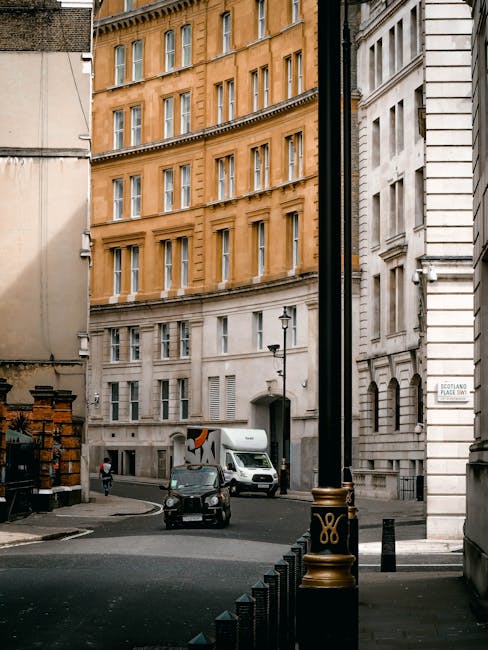
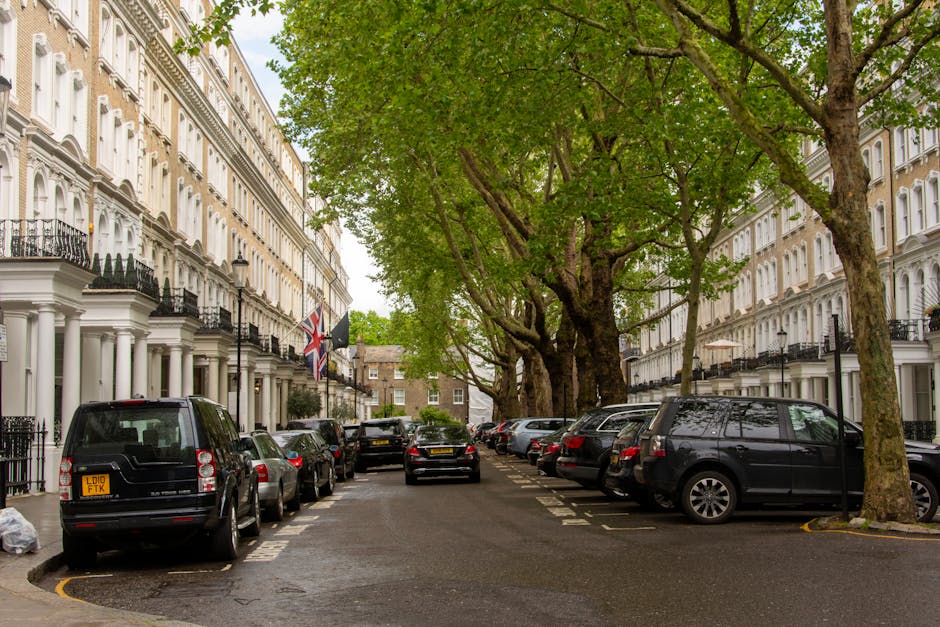
Belgravia is a central London district known for its ordered streets, white stucco terraces and garden squares, with much of its present character shaped by the early nineteenth-century development of the Grosvenor Estate. The area was laid out as part of a major residential expansion west of the older core of the city, and its long terraces, mews streets and formal squares still give it a distinctive urban rhythm. Eaton Square, Chester Square and Belgrave Square are among the best-known open spaces, while the network of quieter side streets creates the impression of a neighbourhood designed for elegance and enclosure rather than bustle. The district sits close to important routes through Westminster and Chelsea, yet it retains a more settled, domestic atmosphere than many nearby central areas. Its streets contain embassies, residences and a range of architectural details that reflect different phases of London’s growth, from grand stucco façades to narrower service streets behind them. The nearby presence of Hyde Park, Buckingham Palace and the commercial activity of Knightsbridge and Victoria places Belgravia within a highly connected part of the city, but the area itself remains strongly associated with planned terraces, garden squares and a carefully maintained built environment.
Furniture, access and careful handling

Furniture removals need a slightly different approach from boxed goods because the shape, weight and finish of each item matter. Large wardrobes, tables, sofas and beds may need to be dismantled or moved in stages, and it is often the route out of the property that determines how the work is done. We aim to handle these items with care, protecting them during loading and transport so that they remain in suitable condition for reassembly or placement at the other end.
In many moves, the route through the property is just as important as the vehicle itself. Narrow halls, turning stairs, tight landings and shared entrances can all affect the way furniture is taken out. Where necessary, the job may be approached piece by piece rather than as a single lift. If your move includes a smaller load or just a few bulky items, our man and van option may be more appropriate than a full household move, depending on what actually needs transporting.
When extra care is sensible
Extra care is worth considering for polished surfaces, glass elements, soft furnishings and awkward furniture that could mark walls or doorframes if handled too quickly. The aim is not to make the service elaborate, but to match the handling to the item. That may mean planning the order in which things come out, allowing time for dismantling, or deciding that certain pieces should be treated separately from the rest of the load.
Loading, transport and delivery on the day
The moving day itself works best when the load is arranged in a way that protects the belongings and uses space efficiently. Heavier pieces are positioned with stability in mind, and more delicate items should be placed where they are less likely to be crushed or shifted during transit. Good loading is practical work: it helps the journey go smoothly and reduces the need for unnecessary handling once the vehicle reaches the destination.
Delivery is part of the service rather than an afterthought. Once items arrive, they need to be placed in the right rooms or areas so that the move does not become more tiring than it needs to be. Where a household wants to unpack later, it can still help to label boxes clearly and separate the essentials from the items that can wait. If you are looking for a more compact transport option for fewer belongings, our moving van page is a useful place to compare the kind of vehicle-based move that may suit a lighter load.
Transport work also depends on sensible timing and clear communication. A move tends to run more smoothly when there is a shared understanding of what is being collected first, which items need particular care and where the delivery will end. That does not require elaborate planning; it simply means the removal is treated as a sequence of actions rather than a single event. The more coherent the sequence, the easier it is to keep the move under control.
Household removals for different property types

Belgravia contains a mix of property styles, from formal terraces and mansion flats to mews houses and converted buildings, and each type presents its own moving considerations. A basement flat may require careful handling on stairs, while a top-floor apartment can call for more attention to carrying routes and parking arrangements. The removal process should adapt to the building rather than forcing every move into the same pattern. That is especially important when large furniture has to travel through communal areas or over multiple flights.
Some customers need a full house move; others only need support for a selection of items. Both can be handled within the same general service, provided the scope is clear from the outset. Our home moves page gives a broader view of the domestic side of the work, including moves that are not limited to one type of property or one size of load. The important thing is to match the service to the contents, the access and the timing.
Where the move includes fragile possessions, it is worth separating them from the items that can travel more robustly. That may sound simple, but it saves time on the day and makes the loading order more sensible. Whether the move is a complete household transfer or a smaller set of rooms, the same principles apply: organise the load, protect the contents and keep the process clear enough to manage well.
Practical support for removals planning
Good removal planning is mainly about reducing avoidable complications. It helps to know which items are going, which are staying, and whether anything needs to be removed first because it is bulky, fragile or awkward to carry. If you have furniture that must be dismantled or reassembled, that should be mentioned early so the work can be approached in the right order. Clear information supports a more realistic quote and a smoother moving day.
We also pay attention to the distinctions between different moving options. A full removal service is not always the same as a van-based move, and a job that seems small at first may still need proper handling because of access or furniture size. If you want to compare the different kinds of support available, our removal company page is one of the places where the broader service structure is set out. From there, it is easier to decide which option fits the move.
Useful preparation is usually quite modest: keep related items together, identify anything especially delicate and make sure the collection and delivery points are clear. There is no need to turn the process into a major project. The best preparation is simply the preparation that prevents confusion once the moving team arrives and the load needs to be managed in a sensible sequence.
About Belgravia
Belgravia is one of central London’s most recognisable residential districts, bordered by neighbourhoods such as Westminster, Knightsbridge and Chelsea and laid out in a way that still reflects its nineteenth-century planning. Much of the area was developed under the Grosvenor Estate, and the result is a landscape of grand terraces, formal squares, mews streets and carefully proportioned stucco fronts. Eaton Square, Chester Square and Belgrave Square are among the best-known examples of the district’s square-based layout, each contributing to the sense of order that distinguishes the neighbourhood. Belgravia’s architecture is often associated with harmony rather than variety, yet the area contains a range of building types behind the main façades, including converted houses, apartments and service streets that reveal how the district functioned as a planned urban quarter. Its position near Hyde Park, Victoria and Buckingham Palace places it within a busy part of London, but the internal street pattern remains comparatively calm and residential. The district also has a notable international aspect, with several embassies and institutions located there, adding to the area’s political and diplomatic character. Despite changes in ownership, use and surrounding traffic over time, Belgravia has retained an unmistakable identity built on scale, symmetry and the long legacy of estate-led development.
Commercial moves and managed properties

Although the main focus here is domestic removals, the same careful approach can also support smaller commercial moves where desks, storage, office furniture or equipment need to be shifted without disorder. The priorities are similar: keep the load organised, protect the contents and plan the movement around access and timing. For some customers, that means a straightforward relocation with minimal disruption; for others, it means moving only selected items between premises.
Managed buildings often require a more considerate moving routine because access may be shared, timed or restricted. In those cases, a removal team needs to think about lifts, corridors, loading points and the route through the property before anything is carried. If the move includes more structured business relocation work, our office removals page is relevant to the type of service we can provide for work premises and their contents.
When you are ready to move forward, it helps to be specific about the type of premises, the main items and any constraints that could affect the work. A clear brief makes it easier to judge the scale of the job and prepare an appropriate response. If you would like to discuss the move in more detail, now is a good time to request a quotation.
Choosing the right removal support
Different moves call for different levels of support. A customer who mainly needs transport for a few bulky items may not require the same arrangement as someone clearing a full house, and a property with difficult access may need more planning than one with straightforward loading. The right removal support is the one that matches the scale, route and contents of the job without adding unnecessary complexity.
That is why it can be useful to compare the service pages before deciding. Our removals page covers the broader service, while the more specific pages help you narrow the job down to domestic, office or transport-based work. If your move is being compared against a lighter-load option, the difference between a full removal and a van-led move may be enough to affect the final plan.
Whatever the shape of the job, the same principle applies: a well-organised move is one where the load is protected, the route is understood and the final placement is handled sensibly. If that is the kind of support you need, please request a quotation and tell us what the move involves.