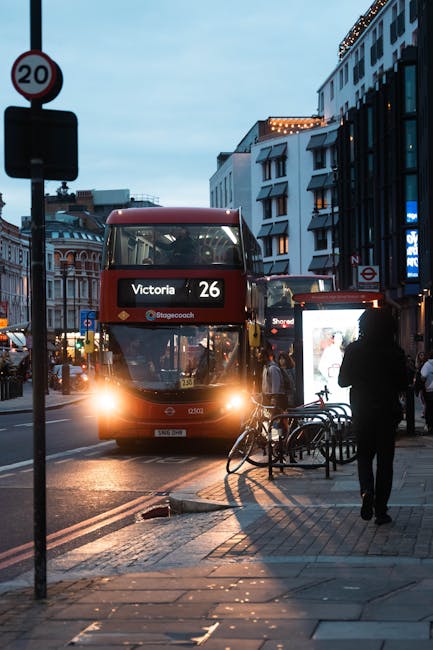
Victoria Station Area Removals Best Routes for Vans: A Practical Local Guide
Moving around Victoria Station can be a bit of a puzzle. The streets are busy, the timing matters, and a van that seems perfectly sized on paper can feel awkward once you hit the one-way systems, bus lanes, loading restrictions, and everyday commuter traffic. If you are planning Victoria Station area removals best routes for vans, the real win is not just choosing a map route - it is choosing the route that works for your vehicle, your move size, and the exact time of day.
This guide breaks the subject down in plain English. You will see which kinds of routes usually make sense for vans, how to think about access near Victoria, what makes the area tricky, and how to avoid the little mistakes that can turn a straightforward move into a slow, stressful day. Let's face it, nobody wants to spend an extra hour circling a station district with a wardrobe in the back and a parking ticket in the windscreen.
For broader moving support, it can also help to look at the company's removal services and the more flexible man and van option if your move is smaller or access is tight. If you are comparing full-house logistics, you may also find home moves useful.
Table of Contents
- Why Victoria Station area removals best routes for vans Matters
- How Victoria Station area removals best routes for vans Works
- Key Benefits and Practical Advantages
- Who This Is For and When It Makes Sense
- Step-by-Step Guidance
- Expert Tips for Better Results
- Common Mistakes to Avoid
- Tools, Resources and Recommendations
- Law, Compliance, Standards, or Best Practice
- Options, Methods, or Comparison Table
- Case Study or Real-World Example
- Practical Checklist
- Conclusion
- Frequently Asked Questions
Why Victoria Station area removals best routes for vans Matters
Victoria Station is not a normal suburban move zone. It is a major transport hub with constant vehicle movement, pedestrian flow, taxi activity, bus traffic, rail passengers, and a road pattern that can feel like it changes every few minutes. For van-based removals, that matters a lot. The route is not just about getting from A to B. It is about doing so with the least friction, the lowest risk of delays, and the fewest awkward manoeuvres.
A good route can mean the difference between a smooth drop-off and a frustrating, stop-start crawl. In practical terms, it affects how long the crew spends on site, whether the van can stop legally, how easy it is to load and unload heavy furniture, and how much pressure the job puts on everyone involved. If a van is blocked from a convenient access point, suddenly you are carrying boxes further than planned. That sounds minor until you are doing it with a fridge or a dismantled bed frame.
It also matters because the Victoria area sits within a part of central London where access and timing are often more important than raw distance. A short route on the map can still be the slowest route in reality. Traffic near the station, delivery activity, and changing road conditions can make a "simple" move surprisingly complex.
Expert summary: For Victoria Station removals, the best van route is usually the one that prioritises legal stopping points, predictable road flow, and easy exit planning - not the shortest line on the map.
If you want a crew that already works with these kinds of practical constraints, it is worth reviewing a trusted removal company and the wider removal companies page before you book. A decent operator will ask about access before they talk about van size. That is usually a good sign.
How Victoria Station area removals best routes for vans Works
In practice, route planning for a van move around Victoria Station works in layers. First, you identify the move address, including the exact street entrance or loading point. Then you work out what size van is appropriate. After that, you look at the likely traffic patterns, the best approach road, and the cleanest departure route once the van is loaded.
For many removals, the ideal route is not a single fixed answer. It changes depending on the time of day and the type of property. A one-bedroom flat move on a quiet morning may use a very different access strategy from a commercial relocation with desks, boxes, and IT equipment. That is why services like man with van and moving van are often discussed alongside route planning; the vehicle choice and the access plan go hand in hand.
A strong route plan usually considers:
- where the van can legally stop for loading or unloading
- whether the street is one-way or restricted at certain times
- how easy it is to turn the van around without blocking traffic
- the height, width, and length of the vehicle
- the walking distance between the van and the property
- whether the move needs a return trip later the same day
For offices, the route often needs to be even tighter. A small delay at the station district can spill into the whole day. That is one reason some businesses look at office removals or more tailored office relocation services with scheduled arrival windows and clear loading instructions.
Truth be told, route planning is part logistics and part local street sense. You want someone who knows when a street looks available but is actually a nightmare to stop on. It happens all the time.
Key Benefits and Practical Advantages
Choosing the right van route around Victoria Station is not just about saving time. It gives you several practical advantages that are easy to underestimate before moving day.
- Less time wasted in traffic: A route that avoids predictable bottlenecks keeps the job moving.
- Safer loading and unloading: When the van can stop in the right place, staff spend less time crossing busy roads with items.
- Lower stress: Everyone feels calmer when the plan is clear and the vehicle is not stuck in the wrong lane.
- Better protection for belongings: Fewer stop-start moments mean less handling and less chance of bumps or drops.
- More accurate scheduling: If access is planned properly, arrival and completion times are easier to predict.
A practical benefit people often miss is energy. Not petrol or diesel energy - human energy. After a move, that matters. A smooth route can leave you with enough focus to deal with keys, utility checks, and all those last little tasks that always seem to arrive at once.
If your move involves extra packing help, pairing route planning with packing and unpacking services can make the day feel far more controlled. It is the kind of detail that quietly improves everything.
Who This Is For and When It Makes Sense
This topic matters most if you are moving in or out of the Victoria Station area and using a van rather than a large lorry. That includes people in flats, short-term rentals, serviced apartments, small offices, shops, and homes where access is tighter than average. It also suits anyone moving furniture, boxes, or equipment on a schedule that cannot drift too far.
You might need this approach if:
- you are moving from a flat with limited street access
- you need to load quickly from a busy central London street
- your move needs a smaller vehicle rather than a full truck
- you are managing a same-day move with a fixed handover time
- you are moving office stock, files, or equipment near the station
It also makes sense when you need a more flexible, hands-on moving setup. Some customers prefer a straightforward man with a van arrangement because it can be easier to thread through central London access issues. Others want the support of movers who can manage the route, lifting, and timing as one job.
And if you are moving house rather than a single load of furniture, the more structured options such as house removals or house movers may be a better fit. Different move, different pressure points. Simple as that.
Step-by-Step Guidance
Here is a sensible way to plan van routes for a Victoria Station area removal without making the whole process harder than it needs to be.
- Confirm the exact pickup and drop-off points. Do not rely on a general street name if the property has a rear entrance, service road, or limited front access.
- Check the move size honestly. Overfilling a small van creates loading delays and can force extra trips. Underestimating is a classic headache.
- Plan for the heaviest items first. Wardrobes, sofas, desks, and appliances should influence vehicle choice and stopping position.
- Identify the safest stopping area. The best route is often the one that lets the crew unload quickly without complicated reversing or long carries.
- Build in a time buffer. Central London traffic can shift quickly. A little spare time is not wasteful; it is insurance against stress.
- Consider return-route logic. If the van must come back later, think about the easiest way out before the first item is loaded.
- Communicate access details early. Lift access, door codes, parking constraints, and narrow hallways all matter. No surprises, ideally.
For many customers, the right vehicle choice sits at the centre of the plan. A compact removal van may be ideal for one street, while a bigger removal truck hire setup may suit a larger property further from the busiest station-side roads. The trick is matching capacity to access, not just to volume.
One more thing: if you are quoted a route plan that sounds too confident and too generic, ask questions. "Where will the van actually stop?" is a very fair question. A good operator should answer it without fluff.
Expert Tips for Better Results
Here are the small, practical adjustments that tend to make a real difference.
- Choose off-peak timings where possible. Early slots can be easier around Victoria, especially if you need the street edge clear.
- Use a van size that leaves breathing room. A van packed to the rafters is slower to load and trickier to secure.
- Protect your route with a fallback plan. If the first access point is blocked, know the next best stop nearby.
- Keep essentials separate. Documents, keys, chargers, and a kettle box. Yes, a kettle box. You will thank yourself later.
- Label items by room or urgency. That saves time at the destination and stops the unload from becoming a guessing game.
If you are moving during poor weather - and London does like to keep you on your toes - allow extra time for wet pavements, slower lifts, and careful carrying. A route that works in dry conditions may feel very different in a cold, drizzly morning with traffic stacking up near the station. Small detail, big effect.
It can also be smart to review the company's approach to insurance and safety before booking. That is not just paperwork; it tells you how seriously they handle risk, handling, and vehicle use.
Common Mistakes to Avoid
A lot of moving problems near Victoria are avoidable. Really avoidable.
- Choosing the shortest route instead of the safest route. A shorter road is not always a better road for a van.
- Assuming kerb space will be available. In busy central areas, it often is not.
- Ignoring one-way systems and turn restrictions. That can force unnecessary loops and wasted time.
- Using a van that is too large for the access. Bigger is not always better. Sometimes it is just harder.
- Not allowing enough time for loading. The van may be ready, but the building access might not be.
- Failing to tell the removals team about stairs, lifts, or narrow entrances. That sort of omission can throw the whole schedule off.
Another quiet mistake is forgetting that the station area is a living, moving environment. Delivery lorries, taxis, cyclists, buses, and people with luggage all compete for space. If you plan as though the road is empty, you are likely to have a rough day. Honestly, that is where most stress comes from - not the boxes, but the assumption that everything will be easy.
Tools, Resources and Recommendations
You do not need a fancy toolkit to plan a better van route, but a few basics help.
- A written move sheet: property addresses, access notes, timing, contact details, and special items.
- A simple room inventory: useful for estimating van size and loading order.
- Access photos: if you can share pictures of the entrance, stairwell, or parking area, even better.
- Packing materials: strong boxes, blankets, tape, and labels make the route decision easier because the cargo is easier to handle.
- Service information: if you need a broader move plan, pages such as removals, removal services, and man and van removals can help you compare options.
For lighter moves or furniture-only jobs, furniture pick up may be the most sensible fit. For commercial work, commercial moves is the more relevant starting point. The right choice usually becomes clear once you match the service to the access, rather than the other way around.
Law, Compliance, Standards, or Best Practice
When you are moving in central London, compliance is not something to wave away. You do not need to become a transport specialist, but you do need to respect parking rules, loading restrictions, building access rules, and road safety. Local conditions around Victoria can be unforgiving if you assume you can just pull up anywhere for a few minutes.
Good practice usually includes:
- checking where a van can stop legally
- following any building management instructions
- keeping walkways clear while items are moved
- securing loads properly inside the van
- using sensible manual handling for heavy or awkward items
It is also wise to work with a provider that is clear about its policies. The pages on terms and conditions, health and safety policy, and payment and security are useful trust signals because they show that the business has thought through the basics properly. You may never need to read every line. But knowing they exist matters.
Where waste disposal or unwanted furniture is part of the move, responsible handling matters too. If you are clearing items, the company's recycling and sustainability approach is worth checking. No drama, just sensible practice.
Options, Methods, or Comparison Table
There is no single best method for every Victoria Station move. The right option depends on access, volume, timing, and how much loading support you need. Here is a straightforward comparison.
| Option | Best for | Strengths | Watch-outs |
|---|---|---|---|
| Man and van | Smaller flats, single-room moves, furniture pickups | Flexible, easier to route through tight central streets | May need multiple trips if volume is underestimated |
| Removal van | Moderate household or office loads | Good balance of capacity and access | Still needs careful stopping and parking planning |
| Removal truck hire | Larger homes or bigger commercial moves | More capacity, fewer trips | Harder access near busy station streets |
| Office relocation services | Business moves with scheduling pressure | Structured planning and better coordination | Needs very clear access information in advance |
If you are unsure, start with the smallest vehicle that can realistically handle your load. That is often the most efficient answer in a tight area. A bit counterintuitive maybe, but often true.
Case Study or Real-World Example
Picture a move from a small upper-floor flat just off Victoria Station. The client has a sofa, a bed, six boxes of books, a television, a dining table, and a few bags of kitchen items. At first glance, the job looks like a standard van move. But once the access details come in, the picture changes a bit.
The street has limited stopping space, the lift is small, and the loading point is slightly away from the entrance. The practical route choice is not the widest road or the one that looks quickest on a map. It is the route that lets the van pull in, unload efficiently, and leave without blocking the road or forcing a long carry across the pavement.
In that kind of situation, a smaller vehicle with a clear loading plan can outperform a larger one. The crew spends less time manoeuvring. The client spends less time worrying. The move feels calmer. Not glamorous, but very effective.
We have seen the same principle apply to small office moves too. A business near the station wanted to move filing cabinets and monitors in one morning. The job succeeded because the route and arrival window were chosen around access rather than convenience on paper. That is the real lesson: the best route is the one that matches the street as it actually behaves, not as a postcode map makes it look.
Practical Checklist
Use this quick checklist before moving day. It saves a surprising amount of hassle.
- Confirm the exact property address and entrance point
- Share photos or notes about stairs, lifts, and narrow corridors
- Choose a van size based on realistic volume
- Check whether any loading space is available nearby
- Plan the route for both arrival and departure
- Prepare boxes, labels, and protective wrapping
- Keep keys, documents, and essentials separate
- Build in spare time for traffic or access delays
- Review safety, insurance, and terms before booking
- Have a backup plan if the first stopping point is blocked
If you want to make the whole process a little easier, it can help to start by exploring the company's removals near me page and then narrowing the service type from there. It keeps things simple, which is what you want on moving day.
Conclusion
Victoria Station area removals are all about smart planning, not just transport. The best route for a van is the one that respects the local streets, the loading reality, and the timing pressure of central London. Once you stop thinking in terms of shortest distance and start thinking in terms of smooth access, the move usually becomes much easier to manage.
Whether you are shifting a few boxes, moving a full flat, or coordinating a business relocation, route choice can make the day calmer, safer, and far more predictable. And honestly, that is worth a lot when the station area is buzzing and the clock is ticking.
Get a free quote today and see how much you can save.
With a good plan, the right van, and a bit of local know-how, even a busy Victoria move can feel surprisingly manageable. One step at a time. That is usually how the good moves happen.
Frequently Asked Questions
What are the best routes for vans around Victoria Station?
The best route is usually the one that allows legal stopping, avoids unnecessary turns, and gives you the easiest loading access. In practice, that often matters more than choosing the shortest road on the map.
Why is moving near Victoria Station more difficult than in other areas?
Because the area has heavy traffic, lots of pedestrians, busy bus and taxi movement, and limited room for casual stopping. It is a high-pressure environment for any van-based move.
Is a man and van service suitable for Victoria Station removals?
Yes, especially for smaller moves or tighter access where flexibility is useful. A man and van setup is often a practical choice in central London.
How do I know what size van I need?
Start with a realistic inventory of furniture and boxes. If in doubt, ask for guidance based on photos or a room list. It is usually better to size slightly conservatively than to overload the vehicle.
Can a removal truck work near Victoria Station?
Sometimes, yes, but larger vehicles can be harder to place near busy station-side streets. A moving truck may suit larger jobs, but access needs checking first.
Do I need to worry about parking or loading restrictions?
Absolutely. These are often the key issue in central London moves. A good route plan will account for where the van can stop, how long it can stay, and whether it can leave easily.
What time of day is best for a van move near Victoria?
Earlier time slots are often easier because traffic and street activity can be lighter. That said, the best timing depends on the exact street and the building access, so there is no one perfect answer.
Should I choose the biggest van to save trips?
Not always. A larger van can be harder to manoeuvre and park in the Victoria area. The best choice is the one that balances capacity with access.
What should I tell the removals team before the day?
Give them the exact address, entrance details, floor level, lift access, parking notes, and any awkward items. The more accurate the information, the better the route and timing plan will be.
Can packing help improve the route planning?
Indirectly, yes. Well-packed and labelled items load faster and are easier to handle, which can reduce the time the van needs to stay in a busy spot.
How can I compare removal options for a Victoria Station move?
Look at access, vehicle size, loading support, and the amount of coordination you need. Pages like removal services, home moves, and office removals can help you narrow the right fit.
What if I only need to move a few items?
Then a smaller option such as furniture pick up or a compact van service may be enough. For a few items, keeping the move simple is usually the smartest approach.
How do I make the whole process less stressful?
Confirm access early, allow extra time, and choose a service that understands central London conditions. Small bits of preparation make a very big difference, especially around Victoria.
Where can I check trust and safety information before booking?
Look at the company's insurance and safety, health and safety policy, and terms and conditions. Those pages help you understand how the service is managed and what to expect.
What is the best next step if I am ready to plan my move?
Gather your access details, list your items, and speak to a removals provider that can advise on vehicle choice and route planning. A clear start nearly always leads to a smoother finish.