Belgravia removals Belgrave Square loading restrictions
Posted on 17/07/2026
Belgravia removals Belgrave Square loading restrictions: a practical guide for smoother moving days
If you are planning a move in Belgravia, the phrase Belgravia removals Belgrave Square loading restrictions is not just a bit of local admin. It can shape the whole day. One missed loading window, one van that is too large, or one overlooked access issue, and a tidy move can suddenly feel like a slow queue of headaches. Belgrave Square is elegant, but it is not exactly forgiving.
This guide breaks down what the loading restrictions usually mean in practice, why they matter so much for removals, and how to plan around them without losing your cool. You will find a step-by-step approach, common mistakes, and a few local realities that people often only learn the hard way. To be fair, that is often how these things go in central London. Better to be the person who planned ahead.

Why Belgravia removals Belgrave Square loading restrictions Matters
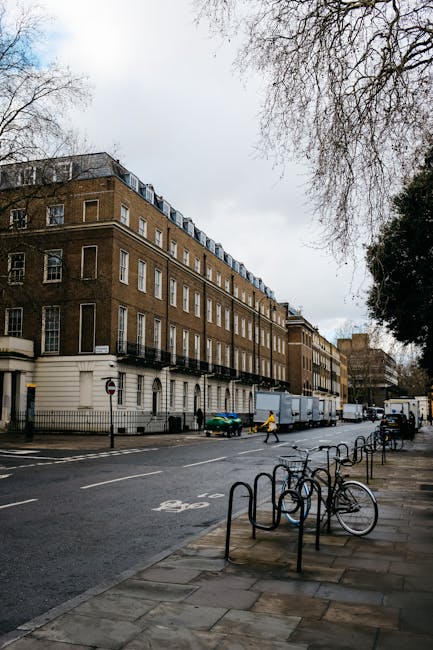
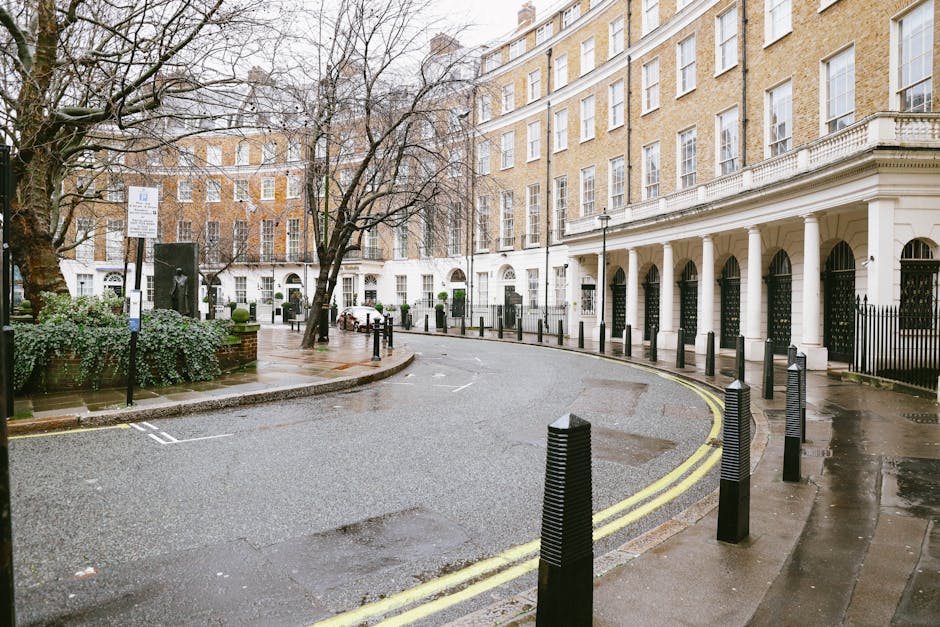
Belgrave Square sits in one of the more controlled parts of Belgravia, where street space is precious and loading can be tightly managed. For removals, that means your moving plan needs to work around the street rather than expecting the street to work around you. A removal van parked in the wrong place, even for a short time, can create delays, inconvenience neighbours, and in some cases lead to enforcement action or the move becoming less efficient than it should be.
It also matters because removal day is usually a chain of small time-sensitive tasks. The crew arrives. Boxes come out. Furniture needs a clear path. If loading access is uncertain, everything slows down. And once delays start, they have a habit of multiplying. You know how it is: one small issue, then suddenly the lift is busy, the driveway is blocked, and everybody is checking their watch.
In a place like Belgrave Square, the practical aim is simple: reduce dwell time, minimise disruption, and make sure the van can load or unload within the permitted arrangement. That is why local knowledge is so valuable. A well-planned move does not just save time. It protects fragile items, reduces stress, and helps keep the day calm from first box to last chair.
If you want a broader overview of what a professional moving team can coordinate, our services overview gives a helpful sense of how different move types fit together. For budget planning, you may also want to review our pricing guide before deciding how much support you need.
How Belgravia removals Belgrave Square loading restrictions Works
Loading restrictions are essentially rules about where, when, and how long a vehicle may stop to load or unload. In central London, these rules often exist to balance deliveries, residential access, traffic flow, and safety. Around Belgrave Square, that balance can be especially sensitive because the streets are narrow, highly valued, and frequently used by residents, visitors, tradespeople, and service vehicles.
In practical terms, the main variables are usually:
- Time windows - Some areas allow loading only during certain periods.
- Waiting limits - A vehicle may be permitted to stop only briefly.
- Space limitations - Large removal vans may not fit neatly where a smaller vehicle would.
- Access conditions - Shared entrances, portered buildings, garden squares, and controlled parking all affect the plan.
- Resident or building coordination - Some moves need prior notice to concierge teams or management.
The key thing is that the restrictions do not only affect the van. They affect packing order, lift booking, manpower, timing, and whether you need a second vehicle or shuttle-style transfer. A well-run removal team will think through the entire sequence, not just the parking spot.
That is also why local access guides matter. If you are moving in or around nearby squares, our Eaton Square access guide is a useful companion read, because many of the same access principles apply across central Belgravia. And if your route includes tricky streets, it helps to know the local flow before the first box leaves the hallway. Our piece on Belgravia's streets and what to expect also gives a feel for the area.
Key Benefits and Practical Advantages
Getting loading restrictions right is not just about avoiding fines or awkward conversations. Done well, it makes the whole move smoother and, honestly, a bit less exhausting.
- Less wasted time: The team spends less time circling the block or waiting for a gap.
- Lower physical strain: Shorter carrying distances mean less lifting and fewer chances of damage.
- Better protection for property: Careful access planning reduces scuffs, knocks, and accidental congestion at the entrance.
- Clearer cost control: When access is planned properly, jobs are easier to estimate and easier to manage.
- Less stress on the day: A move feels far more manageable when everyone knows where the van is going and when.
There is another quiet benefit too: good planning helps you choose the right type of removal support. Some moves need a full team and larger vehicle. Others may be better handled with a man and van service or a smaller removal van option, especially where access is tighter than it first appears.
If you are moving furniture only, the issue becomes even more practical. A sofa that looks easy on paper can become awkward when there is a narrow bay, a timed loading slot, and a front entrance with limited space. In those cases, the local approach matters as much as the lifting skill. For that kind of job, furniture removals in Belgravia are often a better fit than trying to force a generic moving plan into a square that has its own rhythm.
Who This Is For and When It Makes Sense
This topic is relevant to more people than you might think. It is not only for large house moves or luxury apartments. Loading restrictions can matter whenever a vehicle needs to stop close to Belgrave Square and time is limited.
- Home movers in flats, townhouses, and mansion blocks.
- Landlords and tenants doing end-of-tenancy moves.
- Estate agents and property professionals coordinating keys, furniture, or staging.
- Office managers moving a small workspace, archive, or equipment.
- Students and short-term residents with fewer belongings but tighter timelines.
- Anyone with fragile or specialist items such as pianos, artwork, or high-value furniture.
It makes sense to plan early if any of these apply: a controlled street, a building with concierge rules, a busy weekday move, or a narrow arrival window. It also makes sense if you are trying to keep the move quiet and efficient. Belgravia residents tend to appreciate a professional, unobtrusive approach. Less drama. Fewer surprises.
For students or smaller households, it may be enough to use a lighter-touch solution such as student removals in Belgravia. For a full household move, a more structured house removals service is usually more appropriate. And if you are moving from a flat with awkward access, flat removals in Belgravia can be the more sensible route.
Step-by-Step Guidance
Here is the cleanest way to approach a move where Belgrave Square loading restrictions could affect the day.
- Check the access picture early. Do not wait until the week of the move. Look at the building layout, street width, entrance position, and whether loading is likely to be straightforward or fiddly.
- Confirm building rules. Ask about lift booking, porter permissions, service entrances, floor protection, and preferred move times. Small details become big on moving day.
- Choose the right vehicle size. A larger van is not always better if it cannot stop conveniently. Sometimes a smaller or medium vehicle is smarter.
- Plan the loading sequence. Put the heavy, awkward, or essential items first in the order they will be loaded. That saves a lot of back and forth.
- Set a realistic time window. Build in buffer time. Central Belgravia traffic and access conditions can be slower than you expect, especially late morning.
- Brief everyone involved. Removals team, residents, concierge, and anyone helping on the day should understand where the vehicle will stop and how items will move.
- Prepare for a fallback plan. If the exact loading point is unavailable, have a backup approach such as a nearby legal stop, a smaller shuttle van, or an adjusted collection sequence.
If the move is urgent or the access is uncertain, a same-day solution may still be possible, but only if the loading constraints are properly understood. That is where same-day removals in Belgravia can help, provided the logistics are realistic. Same-day is not magic. It still needs space, timing, and a decent plan. Bit boring, maybe, but true.
A good professional mover will also help you compare options. If the job is straightforward and you only need lifting help, man with a van in Belgravia may be enough. If there is more furniture, more care, or more coordination involved, a broader removals service in Belgravia is usually safer.
Expert Tips for Better Results
After enough moves in central London, you start to notice the same patterns. A little preparation goes a long way, and a few decisions make the day noticeably easier.
- Keep the first-load items near the exit. If the van window is brief, you want the essentials ready to go immediately.
- Label items by room and priority. It sounds basic, but it saves real time when access is tight.
- Protect entrance points in advance. Hallways, lobbies, and door frames take the most accidental knocks.
- Use storage if timing is awkward. If move-out and move-in dates do not line up neatly, temporary storage can remove pressure.
- Keep a small "must not lose" bag. Keys, chargers, documents, medication, and snacks. Yes, snacks count. On moving day, they really do.
Another useful habit is to treat the access plan as part of the move, not a separate admin task. That means the vehicle, the loading point, the building rules, and the unpacking sequence all get considered together. The best moves feel calm because the boring parts were handled properly.
If you are choosing between service levels, it can help to compare the support you get with the type of move. Our removal services in Belgravia page is a good place to see how those options differ, while removal companies in Belgravia gives a broader view if you are comparing providers. For specialised items, such as a piano or upright instrument, piano removals are a separate discipline altogether, and access planning matters even more.
Common Mistakes to Avoid
Most access problems are avoidable. Most. That is the frustrating part.
- Assuming the van can stop wherever is convenient. In Belgravia, convenience is not a legal argument.
- Leaving access checks until moving morning. By then, options are limited and stress is high.
- Booking the wrong vehicle size. Too large, and you may struggle to stop; too small, and you create extra trips.
- Forgetting building rules. A lift booking or porter instruction can be just as important as parking.
- Underestimating loading time. Tight streets, steps, and shared entrances all slow things down.
- Not protecting shared areas. A single mark in a hallway can become a complaint you did not need.
Another common issue is relying on a one-size-fits-all move quote. Fine for a simple house move in an easier area, perhaps. Less fine in Belgrave Square, where access nuances matter. If you want to avoid that trap, it is worth reviewing pricing and quotes guidance before you commit.
And if you are tempted to rush because the move feels urgent, pause for a minute. A short delay to clarify access is better than a whole afternoon spent improvising. Really, it is.
Tools, Resources and Recommendations
You do not need a box full of specialist gear to handle loading restrictions well, but a few practical tools make a difference.
- Measuring tape: Useful for checking furniture, doorways, lifts, and van clearance.
- Floor plans or room notes: These help the crew know what goes where without repeated questions.
- Labels and markers: Keep the unpacking methodical, especially if loading time is limited.
- Protective materials: Covers, blankets, and wrap help prevent scratches during short carries.
- A simple move-day schedule: A printed or shared timeline keeps everyone aligned.
For larger or more layered moves, storage can be a very sensible back-up. It reduces pressure if there is a gap between departure and access at the new property. Our storage options in Belgravia may suit that kind of situation. And if you have not sorted your packing yet, packing and boxes in Belgravia can save a lot of last-minute chaos.
On the broader planning side, a decent removal van and the right team can be more useful than the flashiest option. It is not glamorous. It just works. On a wet morning, with the square looking beautifully grey and a little quiet, that matters more than anything else.
Law, Compliance, Standards, or Best Practice
Because loading restrictions affect public roads and shared spaces, it is sensible to approach them as a compliance issue as well as a logistics issue. The exact rules can vary depending on the street, local authority controls, the type of vehicle, and the time of day. Rather than guessing, the safer approach is to check the latest local conditions and make sure the move plan stays within them.
From a best-practice standpoint, a professional mover should aim to:
- avoid obstruction and unnecessary idling;
- plan loading around building and street constraints;
- protect the property and communal areas;
- use trained staff who handle furniture safely;
- communicate clearly if a loading point has to change.
There are also basic safety expectations to consider. Lifting heavy objects through tight entrances, stairs, or narrow vehicle access is physically demanding work. Good handling methods and sensible team coordination reduce risk to people and property alike. Our health and safety policy sets out the importance of safe working practices, while insurance and safety information matters whenever you are moving valuable items in a constrained area.
If you are comparing providers, it is also worth looking at the company's wider working standards. A responsible mover should be open about how it treats staff, customers, complaints, payments, and privacy. That sounds a bit formal, maybe, but it is part of trust. For example, the pages on about us, terms and conditions, privacy policy, and payment and security help show how a business operates beyond the moving day itself.
Options, Methods, or Comparison Table
When loading restrictions are part of the picture, the method you choose matters. Here is a simple comparison of common approaches.
| Approach | Best for | Strengths | Limitations |
|---|---|---|---|
| Full removals team | Larger homes, fragile items, structured moves | Most efficient, more coordination, better for tight access | Usually higher cost than a basic man-and-van setup |
| Man and van | Smaller loads, lighter moves, short notice | Flexible, practical, often easier for constrained streets | May be less suitable for heavy or multi-room moves |
| Smaller removal van with extra planning | Access-sensitive locations with modest load sizes | Better fit where parking or stopping is tight | May require more trips if volume is underestimated |
| Storage-first approach | Moves with date gaps or uncertain access timing | Reduces pressure, creates flexibility | Requires additional handling and storage coordination |
For many Belgrave Square moves, the right answer is not the biggest vehicle or the fastest promise. It is the option that respects the access reality. That may sound obvious, but people forget it when they are in a hurry. A careful plan usually wins.
Case Study or Real-World Example
Imagine a two-bedroom flat move near Belgrave Square on a weekday morning. The resident has a sofa, a dining table, several framed pieces, and a few boxes of books. The entrance is neat, but the street space is limited. The building has a narrow internal route and a lift that must be booked.
Instead of sending in a large van and hoping for the best, the mover checks the access in advance, agrees a tighter arrival slot, and keeps the first-load items near the front door. Two team members handle the bulky furniture while another coordinates the entrance path and the van loading order. The result is not glamorous, but it is calm, quick, and controlled.
Now compare that with a rushed plan. The van arrives too early, waits in the wrong place, the lift is still in use, and boxes end up stacked awkwardly while somebody chases building permission. Same furniture. Very different day.
That is the real lesson here. Loading restrictions are not the enemy. Poor planning is. If you build the move around the site conditions, even a challenging Belgravia address can be handled smoothly. Truth be told, that is what good removals work looks like: a lot of quiet competence behind the scenes.
Practical Checklist
Use this checklist a few days before the move and again on the morning itself.
- Confirm the moving date, arrival window, and building access instructions.
- Check whether loading is allowed directly outside or nearby only.
- Book any lift, concierge, or porter support needed.
- Measure large furniture and key entrances.
- Decide whether a full removals team, man and van, or smaller vehicle is most practical.
- Label boxes by room and priority.
- Prepare floor and wall protection where appropriate.
- Keep essentials separate and easy to reach.
- Allow extra time for traffic, waiting, or access changes.
- Have a fallback plan if the loading spot is unavailable.
Expert summary: if you remember only one thing, make it this: in Belgrave Square, access planning is not a side detail. It is part of the move itself. Treat it that way and the day becomes much easier.
Get a free quote today and see how much you can save.
Conclusion
Belgravia removals Belgrave Square loading restrictions can feel like a small administrative hurdle, but in practice they shape the whole moving experience. Once you understand the access rules, choose the right vehicle, and plan the loading sequence properly, the process becomes far more manageable. No magic. Just good judgement, clear timing, and a bit of local awareness.
If your move involves furniture, a flat, an office, storage, or a last-minute change of plan, the safest route is usually the one that respects the street first and the schedule second. That approach saves stress, protects your belongings, and makes everyone involved a little happier by the end of the day. Which, on a busy London move, is a pretty good result.
And once the van doors close and the last box is in, there is that lovely moment of relief. The room is quieter. The street feels less hectic. You can breathe again. Not a bad feeling at all.

Stephen, renowned for his removals expertise, stands out in generating informative articles that encompass a wide range of removals topics, offering practical advice for packing and unpacking. His assistance has been a cornerstone in ensuring stress-free moves for numerous individuals.


